
The starter motor is a vital component of your vehicle’s engine, responsible for getting the engine running when you turn the key or press the button. It’s what gives that initial “kick” to your engine to get everything going. But what happens when it fails? If your car suddenly won’t start, it could be a problem with the starting motor. We’ll look at the common causes behind starter motor failure, how you can spot them, and ways to prevent this issue from happening in the first place.
Not sure whether it’s the battery or the starter? Our guide on weak battery vs bad starter explains how to tell the difference.

What causes starter motor failure?
1. Worn-out components
One of the most common reasons for starter motor failure is the natural wear and tear of its internal components. A starter motor contains a range of parts, including brushes, armatures, solenoids, and bearings. Over time, these components can wear down due to constant use.
For example, the brushes inside the starter motor are designed to make electrical contact with the armature. However, these brushes can wear out after hundreds of thousands of starts, causing intermittent or no contact at all. This can lead to poor performance, meaning the motor won’t engage the engine properly.
Another component that wears out is the solenoid, which helps engage the starter motor with the engine. If the solenoid becomes faulty, the starting motor may not be able to turn the engine over, making it seem like your car is dead.
2. Electrical issues
The starter motor relies heavily on electricity to function. If there’s a problem with the vehicle’s electrical system, it can prevent the starter motor from working properly. One of the most common electrical problems is a faulty connection. Loose or corroded battery cables can limit the amount of electricity the starting motor receives, making it difficult or impossible for the motor to do its job.
In some cases, the issue may be with the ignition switch, which sends the electrical signal to the starter motor to engage. If this part fails, the starting motor won’t be able to receive the signal, leaving your car stuck in the driveway or garage.
Another potential issue is a blown fuse in the electrical circuit. This fuse helps protect the starter motor from power surges, and if it blows, it can cut off power to the motor entirely. If the fuse blows repeatedly, it could indicate a more serious electrical problem.
3. A failing battery
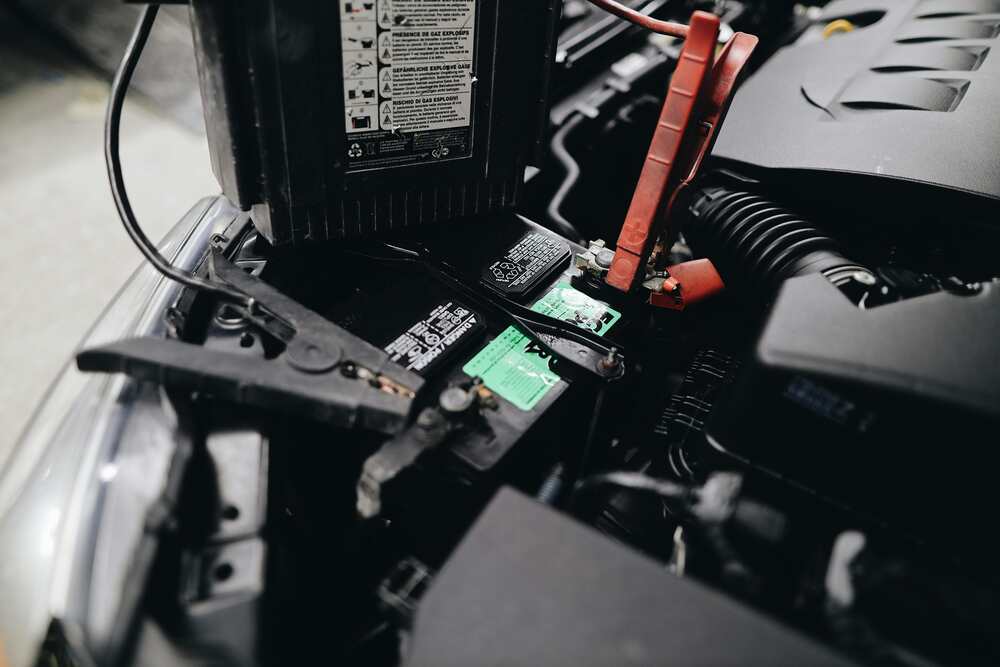
While the starter motor itself is often the source of failure, the vehicle’s battery plays an equally important role in starting the engine. If the battery is weak or dead, the starter motor may not get enough power to turn the engine over. This is one of the most common reasons for a no-start situation.
When your battery is low on charge, the starting motor may make a clicking sound but won’t turn the engine over. A battery that’s not holding a charge, or one that’s older than its recommended lifespan, is more likely to fail and leave you stranded.
The good news is that you can prevent this by regularly testing your battery and replacing it when necessary. On average, a car battery lasts about 3-5 years, depending on climate and usage. If your car is sluggish to start, or if your battery is older, it’s worth checking both the battery and the starting motor.
4. Overheating
Overheating can be a big problem for your starter motor. Just like an engine overheating, the starter motor generates heat while in use. If it gets too hot, it can cause internal components to fail. This is often a result of repeated short trips, where the starter motor has to work harder than usual, or if the motor is used excessively.
Another cause of overheating is a faulty cooling system. If the car’s cooling system isn’t functioning properly, the engine and starter motor can overheat, causing them to break down. In this case, it’s important to address the root cause of the problem (like a radiator issue) before replacing the starter motor.
5. Faulty starter motor bearings
Bearings inside the starter motor allow the motor to rotate smoothly and efficiently. If these bearings become worn out or damaged, it can cause the starting motor to run noisily, or it may even prevent the motor from turning over at all. The noise is often described as a grinding or squealing sound, which can be a clear sign that the bearings are the problem.
Replacing bearings is often a complex and expensive repair, so it’s best to catch the issue early before it leads to total starting motor failure. Regular maintenance and lubrication can help extend the life of the bearings and keep everything running smoothly.
6. Faulty flywheel or flexplate
The flywheel or flexplate connects the starter motor to the engine. When the starting motor engages, it rotates the flywheel, which in turn starts the engine. If the flywheel or flexplate is damaged, it can cause the starting motor to fail. This could be the result of excessive wear, or sometimes the damage occurs due to improper installation.
A faulty flywheel or flexplate can lead to grinding noises, a failure to start, or difficulty getting the engine to turn over. In some cases, the starting motor itself can become damaged if the flywheel or flexplate isn’t functioning properly.
7. Inadequate maintenance
Like most car parts, the starter motor requires regular maintenance to keep it in good working condition. Ignoring regular maintenance and service can lead to various problems that affect the starter motor’s performance. For example, not cleaning or inspecting the motor’s components can cause debris to build up and block proper function.
If you fail to check the electrical connections, ensure the battery is charged, or replace worn-out components on time, the starting motor may eventually fail. Keeping up with routine checkups can help prevent bigger problems down the road.

How to prevent starter motor failure
While some causes of starter motor failure are unavoidable (such as natural wear and tear), there are several steps you can take to prolong its life and avoid costly repairs:
- Regularly check your battery – Make sure your battery is in good condition, as a weak or dead battery is one of the most common causes of starter motor failure.
- Address electrical issues quickly – If you notice any electrical problems like dimming headlights or clicking noises, have your vehicle checked as soon as possible.
- Perform routine maintenance – Ensure that your vehicle is regularly serviced, including the starting motor. This can help you catch any problems early before they turn into more serious issues.
- Avoid excessive short trips – Starting your vehicle repeatedly without allowing it to warm up can put unnecessary strain on the starting motor. Try to avoid driving short distances that require frequent restarts.
- Replace faulty components promptly – If you suspect that parts of your starter motor, like the solenoid or bearings, are wearing out, get them replaced before they lead to failure.
If your starter motor is already struggling, read our guide on when starter motor replacement is needed and what the process involves.
In short, the starter motor is an essential component for getting your engine running, and when it fails, it can cause significant headaches. By understanding the common causes of failure, keeping an eye out for signs of trouble, and staying on top of regular maintenance, you can prevent most starter motor issues from becoming a problem. If you suspect your starter motor is on the way out, don’t wait! Visit Coastwide Service Centre to get expert advice and repairs from trusted mechanics.
